Make your own vertical drama with AI
A vertical drama, or micro drama, is a short 9:16 series of one-to-two-minute Episodes that each end on a cliffhanger. Make your own here: make each lead once as a Character, pitch Episode 1 in one sentence, and the AI Director writes its Scenes with your Characters in them. New to the format? Read what a vertical drama is.
Free: make your Character and a narrated Slideshow Story every day. Real video comes with a plan.
How to make your own vertical drama
Pitch the hook in one line: the party, the envelope, the secret, the fake engagement that turns real. Character App builds a 9:16 World and makes your leads as Characters you reuse in every Scene. The AI Director writes the Episode; try it free as a picture-only Slideshow, then film each Scene as a vertical Clip with a plan. End on the cliffhanger and open the next Episode on the hook you left. The price shows on every button before you press it. Step by step: how to make a vertical drama with AI.
Updated November 2026 · Free to start · Web and iPhone
Sample Clips
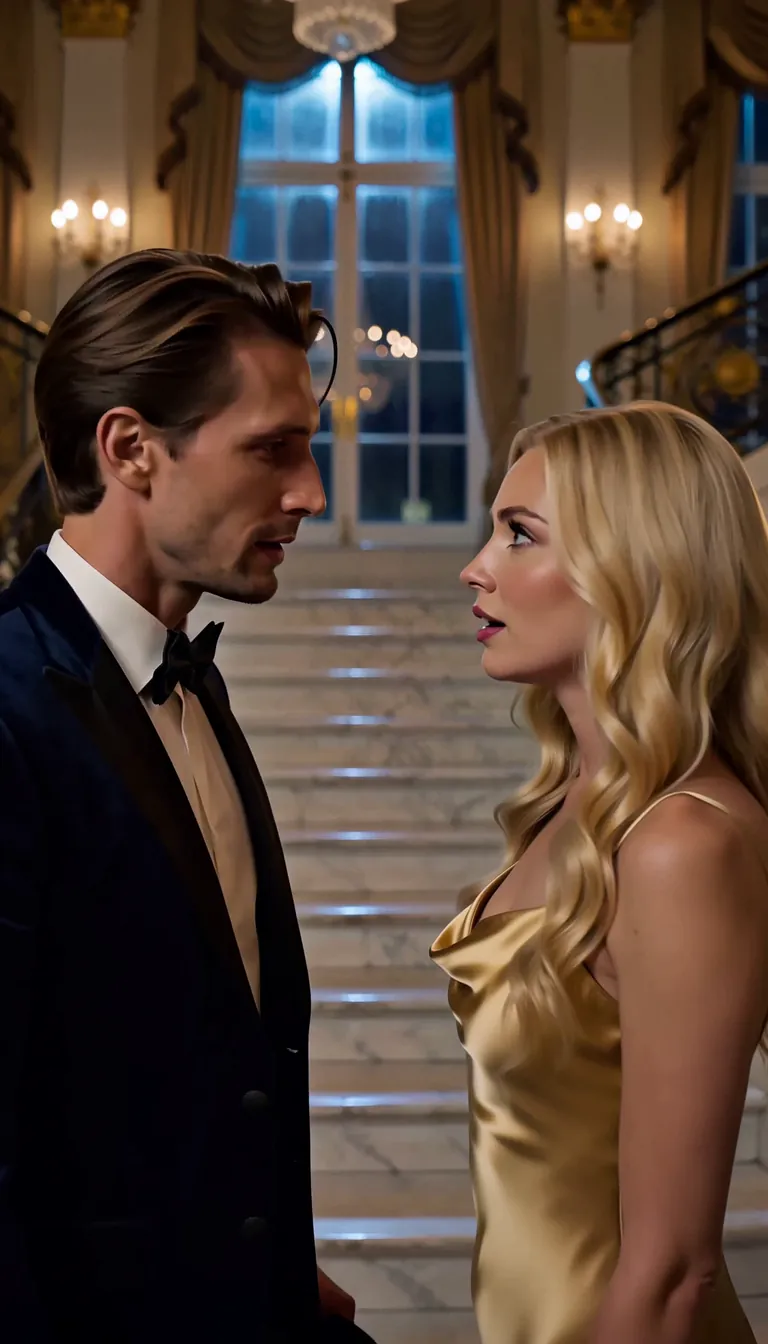
Real Clips from fictional sample series. Same Cast from shot to shot; tap a Clip for sound.

The Vandermere He read the last page
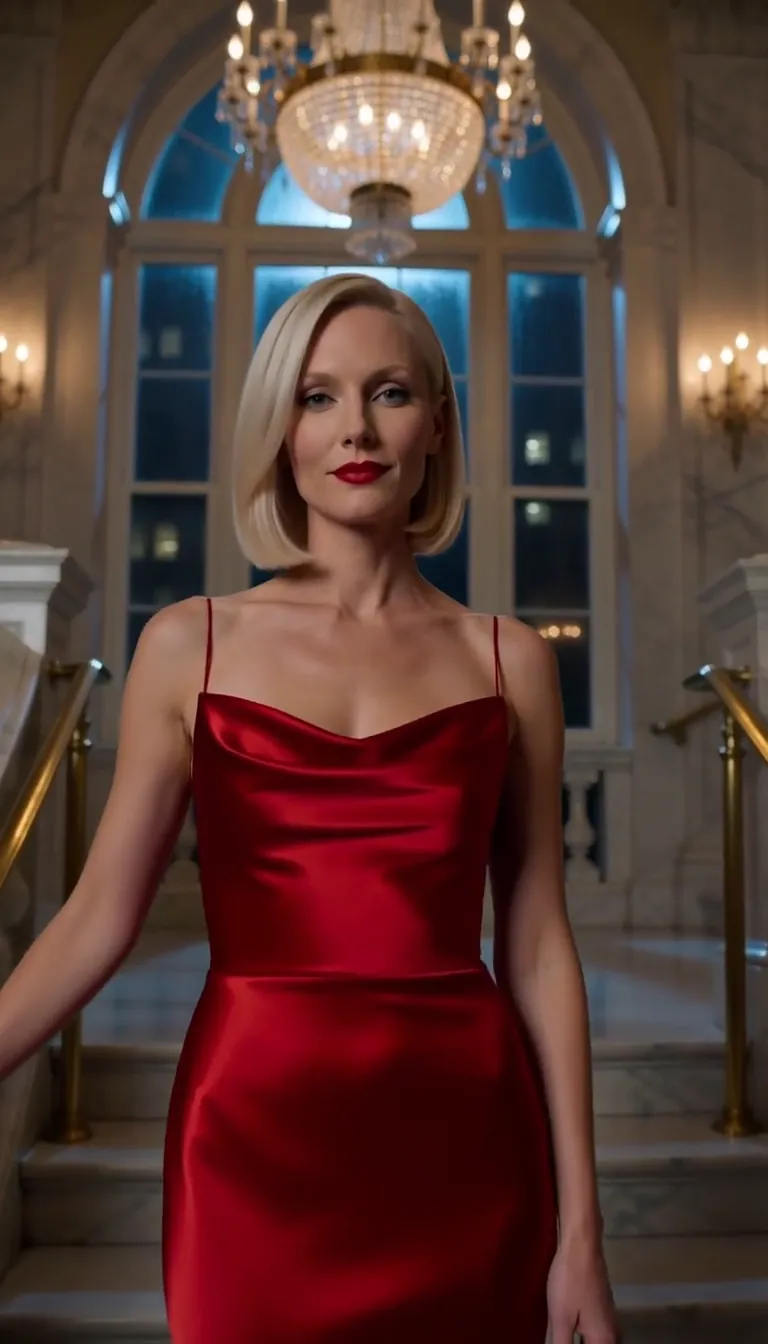
The Vandermere Valerie doesn’t lose

One More Thing The envelope
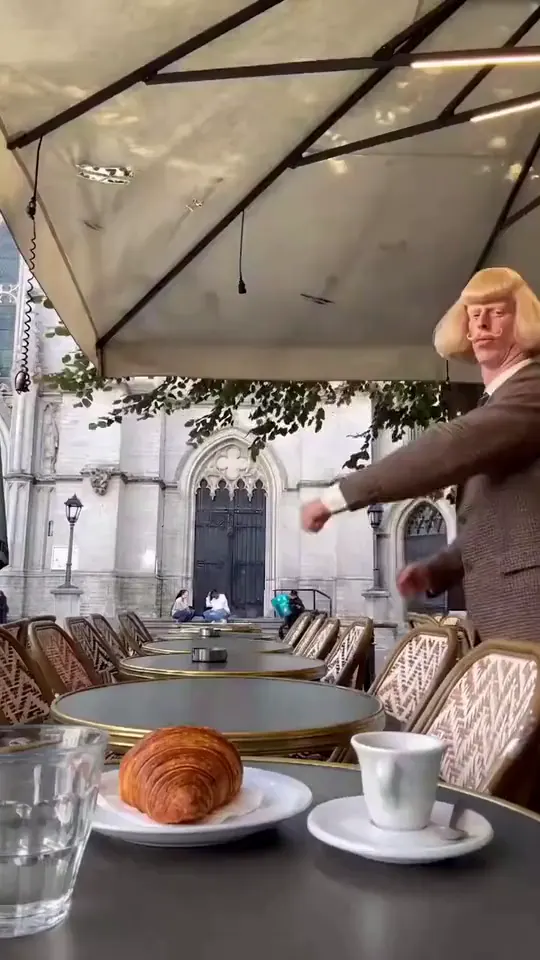
Jean Paul Jean Paul at the café
Made with H3 · The Vandermere, a fictional sample series with our house cast · Made with H3 Turbo, the default Clip model in Character App · fictional sample series · Jean Paul · made in Character App · H3 Turbo
Everything about vertical drama, one page each
A vertical drama, also called a microdrama or short drama, is a series made for the phone: shot in 9:16, with Episodes of about one to two minutes (Wikipedia, last checked 2026-10-06). Each guide below answers one question, from the definition to getting paid.
What it is
The definition, how an Episode is built, and what an AI microdrama is: What is a vertical drama?
Make one with AI
Six steps from hook to pilot: how to make a vertical drama with AI. Making one short drama, not a series? The AI micro drama generator.
Write it
The script template, the series bible, 14 tropes with hooks and how to write the cliffhanger.
Format and cost
Episode length, the 9:16 frame and season size: vertical drama format. What a pilot costs: vertical drama production cost.
Publish and get paid
Where to publish a vertical drama and how to make money with vertical dramas.
Compare the tools
AI micro drama makers compared, and ReelShort vs DramaBox vs making your own.
For a business
A recurring Character, five Episodes, one problem your customers know: vertical drama ads for real estate, restaurants, coaching, recruiting and more.
How a vertical drama is made in Character App
Four steps, and the first two are free. The same Characters carry through every Episode, and the price of every paid step shows on its button before you press it.
1. Make the leads
Make each lead once as a Character from a few words, your own photo or both, in any Art style. The kept picture is the reference for every Scene after.
2. Build the World
The penthouse, the office tower, the wet street: describe the places once and the World keeps them, with what happened in each Episode.
3. Write Episode 1 with the AI Director
Pitch the hook in one sentence. The AI Director writes the Episode as Scenes with your Characters cast in each. Edit anything; try it free as a picture-only Slideshow.
4. Film it with a plan
Film each Scene as a 9:16 Clip, or let Auto-film make the whole Episode up to a Credit cap you set. Episodes keep the same Characters from one to the next.
Pick your vertical-drama flavour
Vertical drama is a format, not one genre. The hook changes with the subgenre; the 9:16 close-up and the reveal at the end of every Episode stay the same. A mystery hook works too; for whodunits and thrillers with a darker look, see horror and mystery.
Romance
The fake engagement, the contract marriage, the heir in disguise, the enemy who turns out to be the love interest. Romance is the biggest lane in the format, and the romance page has premises built for two leads and a slow burn.
Revenge
Humiliated at the gala in Episode 1, back with a new name and a plan by Episode 3. The audience stays for the moment the villain finally recognises her.
Family secrets
The will, the second family, the papers in the bottom drawer. Telenovela energy in minute-long Episodes: one secret per Episode, never two. For the full family saga, see the telenovela page.
K-drama-style
Inspired by the format rather than any one drama: the chaebol family, the second lead you root for anyway, the rain that always starts at the worst moment. Slow, lush and very well lit. More on the K-drama page.
Write for the thumb
People watch vertical drama one-handed and decide in the first seconds whether to keep going. Build every Episode for that.
Open on a face
The first frame is a close-up mid-reaction, not a skyline. The penthouse can explain itself in Scene 3.
One reversal per Episode
The loyal assistant has a second phone. That's the whole Episode. Three twists in ninety seconds just read as noise.
Stack the frame
9:16 rewards faces stacked top to bottom: the lead in the foreground, the person watching her behind. Use a wide shot for the ballroom entrance, then come straight back in close.
Stop one beat early
The slap, the envelope, the name said out loud. Cut just before it lands, and open the next Episode on the landing.
Plan the season as a ladder of reveals
Vertical series tend to run many short Episodes, so write the reveals in order before you film a single Scene. Ask the Director to split each reveal into Scenes; the Characters and the World stay put the whole way.
The wound
The first few Episodes set up the injustice fast: the betrayal, the humiliation, the lie. By the end of Episode 1 the audience should be furious on the lead's behalf.
The climb
In the middle, each Episode gives the lead one piece of power (a job, an ally, a document) and costs her one thing she cared about.
The recognition
The finale is the moment the villain sees who she really is. Everything planted since the pilot pays off in one room, with the same faces from Episode 1.
Recap in the first second
Viewers arrive mid-season from a feed. Open each Episode on the last image of the previous one (the slap, the ring on the floor) so a newcomer is caught up in a single frame.
Leads who last the whole season
The format punishes drift. If the heir's jaw changes between Episodes 4 and 5, viewers notice before they notice the plot. Each lead is a Character built once and reused, wardrobe changes included, and the World keeps the penthouse, the glass office tower and the wet street where it all went wrong.
Wardrobe tells the arc
The gala dress in the pilot, the plain coat in exile, the sharp suit when she comes back. The face stays the same while the costume shows how far she has come.
You as the lead
Add your own photo and play the outsider. If the photo shows someone else, you need their permission. Otherwise, cast original Characters.
A villain worth hating
Give the antagonist one tell the audience learns to dread: the smile before the insult, the ring she twists before she lies. Because the design holds, the tell lands every time.
8 vertical drama ideas to start from
Press one and it lands in the idea box. Change a word or keep it; the Director takes it from there.
- 01Hello, SisterAt her engagement party she meets her fiancé's sister, who has her face.Use this idea
- 02The Contract BrideA one-year marriage contract with a CEO, and a clause she didn't read on page nine.Use this idea
- 03Wrong PenthouseA courier delivers a package to the wrong penthouse and walks in on a family secret.Use this idea
- 04Back With a New NameFired and humiliated at the company gala, she returns a year later as the new owner.Use this idea
- 05The Enemy Next DoorEnemies to lovers: the rival heir moves into the apartment across the hall and borrows her Wi-Fi.Use this idea
- 06ArrangedTwo families arrange a marriage, and the couple secretly agree to sabotage it together.Use this idea
- 07The Second WillAt the reading of the will, a stranger stands up holding a newer one.Use this idea
- 08Night NurseThe patient in Room 12 knows things about her that nobody alive should know.Use this idea
From one line to Episode 01
- 1
Pitch the hook
One line: the delivery to the wrong penthouse, the ledger nobody should have found. The World and the leads build around it.
- 2
Cast the triangle
The outsider, the heir, the loyal aide — leads who keep their faces, wardrobes and grudges across every episode.
- 3
Cut on the cliffhanger
Direct each Scene as a 9:16 Clip — close-ups, reveals, the held breath — and end the episode one question short of an answer.
One season, outlined: The Arrangement
Five Episodes of about a minute each, the same three Characters, one reveal per Episode and a cliffhanger on every last line. Pitch Episode 1 in one sentence and the AI Director writes its Scenes.
- Episode 1
The Arranged Introduction
Mei Lin delivers food to the wrong penthouse and walks into Jun-ho’s engagement dinner.
Cliffhanger The bride-to-be’s name on the place card is hers.
- Episode 2
The Ledger
Sora, the loyal aide, hides a ledger that lists every payment the family made to keep a secret.
Cliffhanger The last line in the ledger is Mei Lin’s mother’s name.
- Episode 3
The Engagement Party
Jun-ho introduces Mei Lin as his plus-one at his own engagement party. Nobody laughs.
Cliffhanger His mother drops her glass when she sees Mei Lin’s face.
- Episode 4
The Fixer
Sora offers Mei Lin money to disappear. She asks for the truth instead.
Cliffhanger Sora says: “You were supposed to be the bride.”
- Episode 5
The Terrace
On the glass terrace at dusk, Jun-ho chooses. The ledger burns.
Cliffhanger A second ledger arrives by courier. Season 2.
A fictional sample series made in Character App. Making one for a business? See vertical drama ads
Questions, answered
Still curious? The guides go deeper.
What is a vertical drama?
A short serialized story shot in 9:16 for the phone, with episodes that each end on a cliffhanger so you tap the next one. Here you make your own instead of just watching. The guide What Is a Vertical Drama? covers the format and where to watch.
Is this like ReelShort or DramaBox?
Those are apps for watching dramas other people made, such as ReelShort and DramaBox. Character App is where you make your own: you write the premise, cast the leads and direct the twists.
Can I star in my own vertical drama?
Yes. Add your own photo and cast yourself as a lead. If the photo shows someone else, you need their permission. Otherwise, cast original Characters.
How do I keep the same characters in every Scene?
Make each lead once as a Character and reuse it in every Scene, so the face and wardrobe carry from shot to shot. Reference-led continuity reduces drift but cannot guarantee identical results, so watch each take and re-film the ones that slip. More in keeping an AI character the same in every video.
How long should an episode be?
The format usually runs about one to two minutes an episode (Wikipedia, last checked 2026-10-06). An episode is made from the Scene takes you keep, so you choose where it ends: stop on the cliffhanger, not on a clock.
Can I make a romance vertical drama?
Yes: billionaire, enemies-to-lovers, fake dating, second chances. Pitch the romance and cast the two leads once; the romance page has premises built for it.
Is it real video or a slideshow of stills?
With a plan, real generated video Clips per Scene, with actual motion and timing, never stills with a Ken Burns pan. Free makes picture-only Slideshows.
Can I write my own cliffhangers?
That is the whole job. You decide where every episode cuts, and the next one opens on the hook you left. How to write a vertical drama cliffhanger teaches six kinds, and vertical drama tropes has 14 hooks to start from.
How much does a vertical drama cost to make?
Free: make your Character and a narrated Slideshow Story every day. Real video comes with a plan. Each Clip carries its exact Credit price on the button before you press. Vertical drama production cost works out a pilot.
Where do I post it?
Any app that takes 9:16 video works. Where to publish a vertical drama compares the options.
More genres
Every genre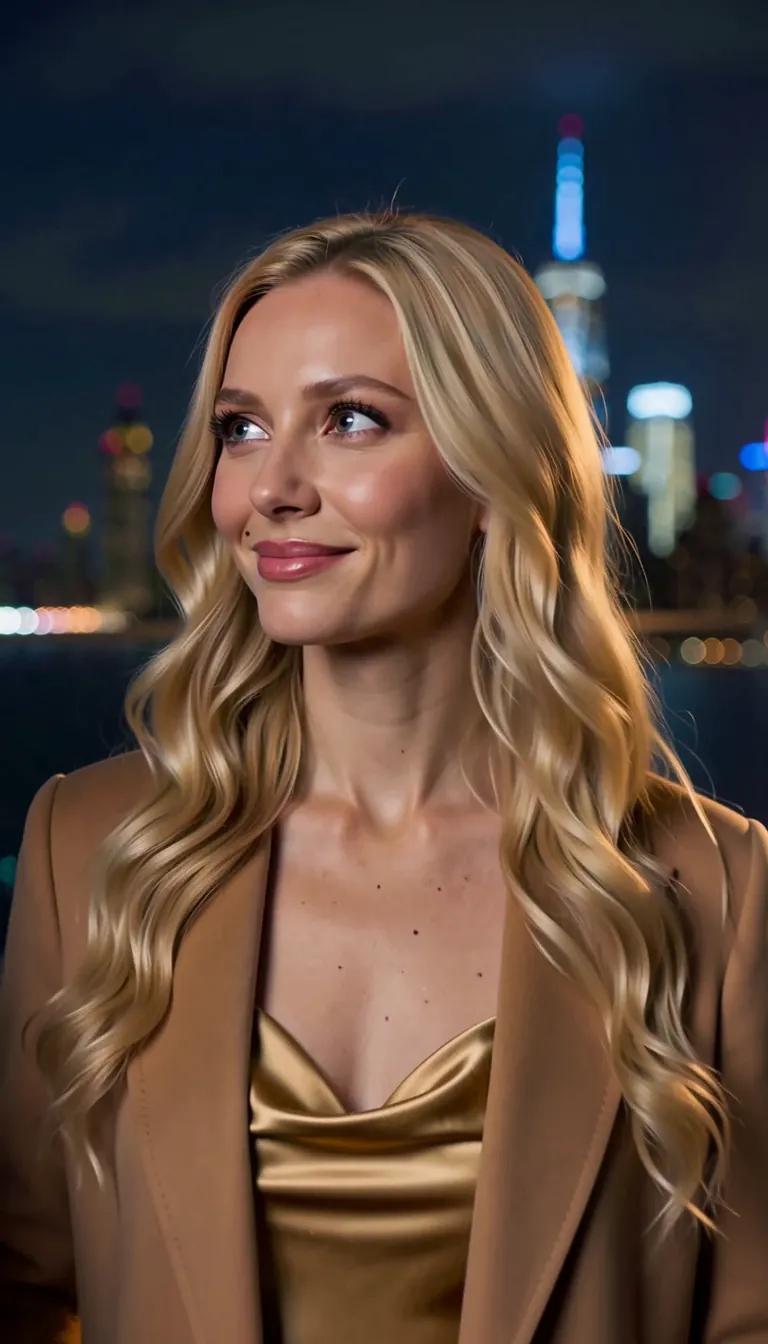 RomanceTwo leads, one slow burn, a whole season.
 3D animated dramaStylized 3D with feature-film warmth and real stakes.
 SeriesA Cast, a World and continuity between episodes.
Cast for this genre
Turn it into cliffhanger Episodes with the AI short drama generator.
Guides for this genre
- Storyboard a vertical sceneStoryboard a vertical scene before you direct it: sketch the beats as a shot list so the scene plays in 9:16 instead of a cropped 16:9.
- Vertical drama tropesThe vertical drama tropes that work are the ones a viewer understands in one frame: the hidden heir, the contract marriage, the revenge return, the fake engagement, the swapped identity.
- Write a vertical drama cliffhangerA cliffhanger is a promise: one image that makes the next episode necessary.
- Make money with vertical dramasA vertical drama makes money in five ways: platform payouts (TikTok Creator Rewards, YouTube Shorts ad share), paid episodes (TikTok Series), a deal with a catalog app like DramaBox or ReelShort, a branded series made for a business, or selling the series and its Characters.
- Post AI videos on TikTok, Reels and ShortsTo post an AI video on TikTok, Reels or Shorts, export it in 9:16 with on-screen words, put the hook in the first two seconds, and turn on the platform’s AI label when the video shows realistic people or scenes.
Your vertical drama starts with one line.
Free: make your Character and a narrated Slideshow Story every day. Real video comes with a plan.